ArtWanted.com Home Login View My Cart
Image Search:  
Browse Shop Search Join Community Art Feed Members Area
Home  »  Community  »  Tutorials and Tips  »  Topic
     Started by Amber Kennady

Page:   1 - 2 - Next - All 22 Posts    
 05/28/08 
2:44PM


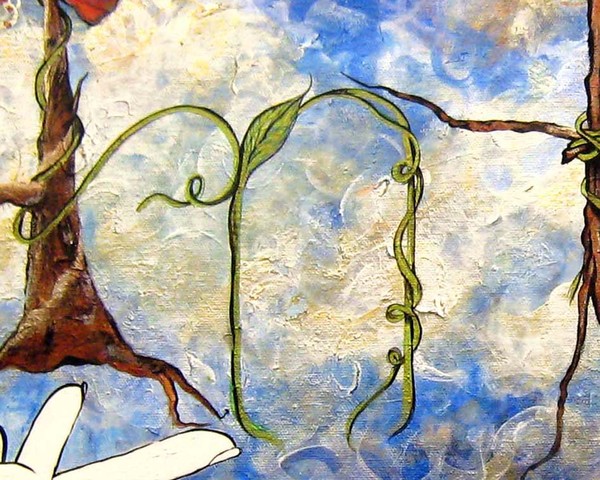
Hello! Lately I've been wanting to add more texture and interest to my acrylic paintings. I've never taken a formal painting class and could use some guidance on how to achieve some fun and different results. Any suggestions on products would be greatly appreciated. Below is as close to any sort of texture as I've been able to achieve.

Click image for a larger view.
Amber Kennady

 05/30/08 
2:27PM


Try using non-conventional tools. Perhaps an old comb or wire mesh screen. You'll have to be patient with it though.

Nashlon Jackson

 06/13/08 
2:47PM


You can purchase various additives for acrylics at art stores. Some of these are for adding texture.

Betty Schwartz

 06/16/08 
3:20PM


Yes you can buy heavy body acrylics as well which are easy to use for added texture.

Or another way is to create interesting texture with gesso primer as a base coat underneath the acrylic paint, and creating glazes over the primed texture.

chris newbrook

 06/19/08 
8:13AM


Thank you so much for the wonderful suggestions! I look forward to trying them out!

Amber Kennady

 06/21/08 
6:34PM


I was wondering the same as Amber. Other thank the conventional methods you buy in the shop such as impasto and thicker paints, can you use other thickeners. What mixed medias do some people use to give it a grainy effect - would that be some kind of grains or sand?????? Some abstracts obviously have some other material put into the paint.

Cheers - I'm just as curious!!!

Fiona

Fiona Robinson

 07/14/08 
8:51AM


I get the thick grainy effect by mixing Polyfiller powder in with my acrylic paint.

Chris McCarthy

 09/23/08 
12:47PM


I have alot of fun using modeling paste....I use one made by grumbacher...I prefer a medium texture...but there are a bunch of different ones. you can use water to thin it, and it dries pretty quick ..If I do a really thick coat ..by morning I paint over it. you can purchase this at any arts and craft store ..I prefer michaels but you may not have one near you. good luck ..have fun experimenting ! ( I used the paste on this painting for coral)


Click image for a larger view.
Jenna Anderson

 11/01/08 
8:24PM


For my Acrylic paintings I use Golden paints. Their line of gels and modeling pastes are excellent. They also make additives that have pumice and other "texturizers". I must admit though that I tend to use Acrylics more like Watercolor. Good luck, Greg

Greg Marquez

 09/13/09 
6:26PM


play with oil paint? usually i start with an acrylic base, and move onto oil later in the painting.. this way i dont have to wait for the first layers to dry, plus i get to have fun with texture near the end! (but as you probably know, neeeeevvvver add acrylic over oil... this is a recipe for disaster!)

CARLEYRAE Weber

 10/08/09 
1:48AM


at art school we used to add talcom powder sand cement the like,plaster etc etc

tania martin

 10/10/09 
4:17PM


This is some great advice. :)

Michael Huskey

 12/23/09 
5:00PM


really the list is endless....sand,dry grass,stones,talc,cheap school glue,i have come across some new products in tubes that add textures to create flourescent streaks, glass looks,pebbledash, i try mixing all sorts till i get the achieved effect....you gotta play thats how you learn and discover things !! have fun x

mandy thomas

 02/11/10 
6:09AM


Mandy, are you suggesting to leave the grass and stones in the paint, or just drag them through to create different textures? Dragging them through sounds ok, but my concern using other objects (other than sand, powder or an artist's grade product) would be the longivity of a painting if these are mixed right in with the paint. Woudn't the weight of the stone (gravity) eventually make it droop slowly downward. Wouldn't the grasses eventually break down and disintegrate?

I would worry about this if I sold a painting to someone, wondering how far down the road will the painting last? I just wouldn't want to get a call or email six years later that my paint/painting was falling apart after they paid a lot of money for it. Just something to think about... Ann

Ann

 02/26/10 
6:51AM


I can't remember if its Graumbacher or not but there is an acrylic medium with sand in it and it comes in diff colors or you can add your own acrylic color to it. I believe it was TV artist Brenda Harris that I watched demonstrate this on a beach scene she was painting.

Betty Reineke

 03/12/10 
1:00AM


try using salt or plastic wrap, water down the acrylic and put some salt on it it will absorb the excess water on the artwork and leave a cool look and feel, and if you do a little thicker paint or water down and put plastic wrap on and let it dry it will leave a cool design and texture

Theresa Bissonnette

 03/15/10 
4:09PM


Great tips.. has anyone tried salt for creating a sandy effect?


Click image for a larger view.
Ebere Ikerionwu

 07/05/10 
11:47AM


I've used salt, but if shooting for archival, wouldn't recommend it due to high alkaline (though better than acid) properties. No proof: we'll have to wait another half century to see. Looks okay so far.

I'm a huge fan of Matisse dry mediums (sand, mica, talc, etc) because use can mix them with any other medium (sometimes I just don't want a gel; most come suspended in gel), including oils.

Also addicted to Golden's gold mica and coarse alumina, both sold as a "color", but I use primarily as texture.

A lot of my textures are multiple layers of paint and mediums that "hate" each other, thus repel.

If you get into heavier textures, this is the ONLY time I insist an acrylic painting be varnished. It'll help hold everything in place/keep it from getting nicked off.

snarko

 10/20/10 
8:17PM


i agree with all the comments, and getting actual texture is hard with acrylic because it generally goes flat on you no matter how thick. but there are visual ways to add texture also, by painting layers and creating depth. i really enjoy your example with the smoky appearance. if you'd started with a darker blue (or color) before building up to this, you'd have more depth and textural points. it's the nice thing about acrylics, especially on clayboard, is that you can play with it a lot after it's dried. but creating shadowy detail can be done visually, too. it's an open field with acrylic. invent something!

Gail Caduff-Nash

 10/21/10 
7:54PM


using a palette knife will help with texture too

bari titen


Edit MessageReply to this Message
Post New TopicPost a New Topic
Back to Tutorials and Tips MainBack to 'Tutorials and Tips' Menu
Icon Key:
Edit Message = Edit Message
Delete Message = Delete Message
Alert Message = Report to Staff
Page:   1 - 2 - Next - All 22 Posts    

replica watches fake watches christian louboutin shoes christian louboutin sale ugg boots